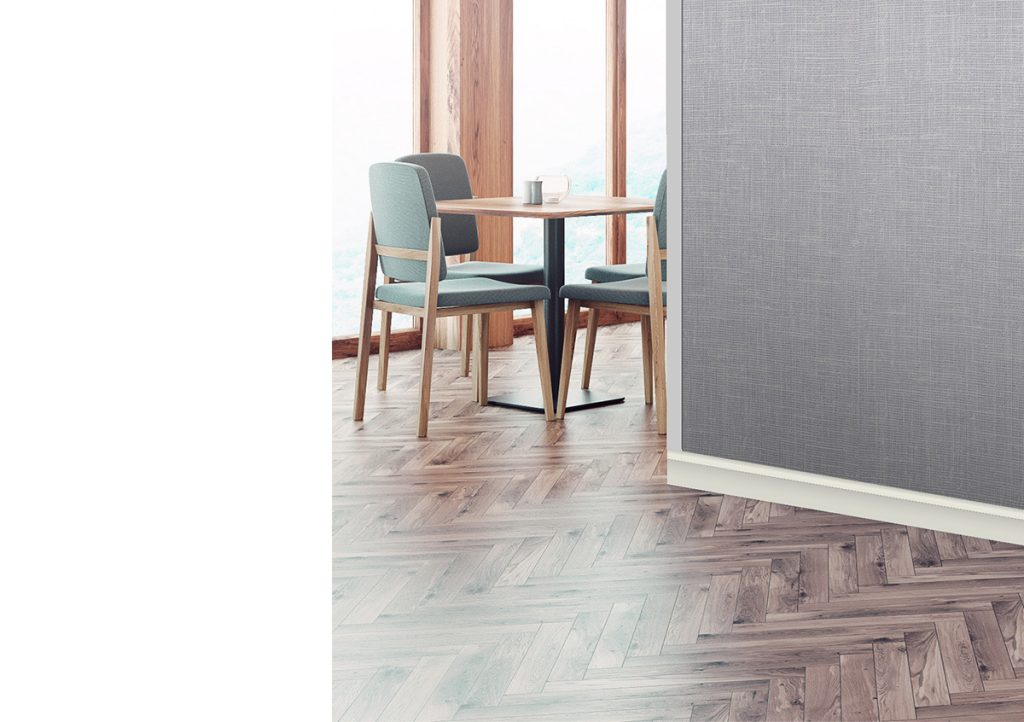
When people think about wall protection in healthcare environments, durability is usually the first consideration. Walls need to withstand knocks from beds, wheelchairs, trolleys and everyday traffic, all while maintaining high standards of hygiene.
But modern healthcare design is about much more than protecting the building.
Today, there is growing recognition that the physical environment can have a significant influence on how people experience care. The colours, textures and finishes chosen throughout a building can help create spaces that feel calmer, more welcoming and less clinical, while still meeting the demanding performance standards expected in healthcare and care settings.
For architects, interior designers, estates teams and facilities managers, the challenge is balancing evidence-based design with long-term durability.
Why the Environment Matters
Healthcare buildings are increasingly being designed around the needs of the people who use them.
Guidance from NHS England highlights how the correct use of colour, texture, layout and environmental design can help reduce confusion, isolation and anxiety, particularly for people living with dementia. Rather than being purely decorative, these design elements can actively support wellbeing, independence and confidence.
Research has also shown that colour, contrast and artwork can improve wayfinding, help patients identify spaces more easily and create hospital environments that feel less clinical and more familiar.
In dementia care environments, for example, contrasting colours can make doors, handrails and furniture easier to distinguish, helping residents navigate independently while reducing confusion and anxiety.
Why Texture Deserves More Attention
While colour often receives most of the attention in healthcare design, texture can be just as influential.
Flat painted walls can feel cold and clinical. Introducing subtle texture helps create depth, warmth and visual interest, making spaces feel softer and more residential without compromising cleanliness.
Texture can also complement biophilic and therapeutic design principles by creating more welcoming interiors that encourage comfort and reduce the clinical feel often associated with healthcare buildings.
The Challenge with Traditional Decorative Finishes
Creating attractive interiors is one thing. Keeping them looking good is another.
Painted feature walls and standard decorative wallcoverings can quickly become unsightly in healthcare environments.
Over time this can lead to:
- Frequent redecorating
- Higher maintenance costs
- Disruption to patients and residents
- Interiors that quickly lose their visual appeal
Facilities managers therefore need finishes that not only enhance a space but continue performing for years after installation.
Where Traditional PVC Wall Protection Fits
Traditional PVC wall protection remains one of the most effective ways of protecting vulnerable areas from heavy impact.
Products such as Intastop’s wall sheet, guards, corner protection systems and handrails are specifically designed to absorb knocks and reduce ongoing maintenance, making them ideal for corridors, service areas and circulation routes where impact protection is the priority.
These products continue to play a vital role in protecting the fabric of healthcare buildings while reducing repair and redecoration costs.
However, some areas demand something different.
Ricochet® Decorative Wall Protection Without Compromise
Where appearance is just as important as durability, Ricochet® flexible wall protection offers a completely different approach.
Walls are one of the largest visual elements within any healthcare or care environment, so why shouldn’t they contribute to the overall design? Ricochet allows designers to do exactly that, combining subtle textures and striking colours with the performance needed in more public settings.
The result is a surface that feels more like a carefully specified interior finish than a protective product. Its subtle textured finish helps soften clinical environments while providing the durable wall covering needed.
Unlike conventional decorative finishes, Ricochet enables designers to create feature walls that continue to look their best for years, reducing the need for regular repairs or redecoration.
The Benefits of Ricochet®
Available in a wide range of colours and textures Ricochet enables healthcare providers to create spaces that support evidence-based design principles while protecting the fabric of the building.
Whether creating calming patient bedrooms, vibrant children’s departments or dementia-friendly communal spaces, Ricochet gives walls a purpose beyond decoration. It transforms them into durable design features that enhance the environment while standing up to everyday use.
Key benefits include:
Premium appearance with built-in protection
Ricochet combines the look and feel of a high-quality wallcovering with the sturdy performance, creating interiors that are visually striking without sacrificing durability.
Exceptional durability
Ricochet helps to resist walls cracking and chipping and everyday wear that would quickly make painted walls unsightly.
Wipeable and easy to maintain
Healthcare environments demand materials that are hygienic and simple to clean. Ricochet features a durable, wipeable surface that withstands regular cleaning protocols while maintaining its appearance.
Reduced maintenance costs
Because Ricochet resists scuffs, scratches and ink damage, facilities benefit from:
- Lower whole-life costs
- Fewer maintenance call-outs
- Less frequent redecoration
- Reduced disruption to patients and residents
- Walls that continue to look their best for longer
- Outstanding design flexibility
Ricochet gives architects and interior designers the freedom to create environments that support wellbeing while remaining practical. It is particularly suited to:
- Dementia-friendly environments
- Mental health facilities
- Children’s healthcare
- Leisure facilities
- Care homes
- Rehabilitation centres
- Reception areas
- Waiting rooms
Recognising its innovative combination of aesthetics and performance, Ricochet® was awarded a US Hospitality Design Expo Product Design Award by the International Interior Design Association (IIDA), celebrating products that demonstrate excellence in innovation, function and design.
A Complete Wall Protection Strategy
The most effective healthcare environments don’t rely on a single solution. Instead, different products are specified according to the needs of each space.
High-impact corridors may benefit from traditional PVC sheet, guards and corner protection, while bedrooms, lounges, reception areas and therapy spaces can utilise Ricochet to introduce colour, texture and visual warmth without sacrificing durability.
By combining both approaches, healthcare providers can:
- Create more welcoming interiors
- Support evidence-based healthcare design
- Protect the fabric of the building
- Reduce maintenance costs
- Extend refurbishment cycles
- Deliver better long-term value
- Protecting Buildings While Supporting Better Care
Wall protection is no longer simply about preventing damage.
As healthcare and care environments continue to evolve, designers are increasingly looking for products that contribute positively to the overall experience of patients, residents, visitors and staff.
Flexible wall protection, like Ricochet®, demonstrates that wall protection can be both functional and beautiful, combining easy maintenance and exceptional durability with the warmth, texture and design flexibility needed to create environments that genuinely support wellbeing.
At Intastop, we work with architects, healthcare providers and facilities managers to specify wall protection solutions that balance aesthetics, performance and whole-life cost. Whether you’re refurbishing a care home, designing a mental health facility or specifying a new hospital development, our range of wall protection solutions can help you create spaces that look better, perform better and last longer.